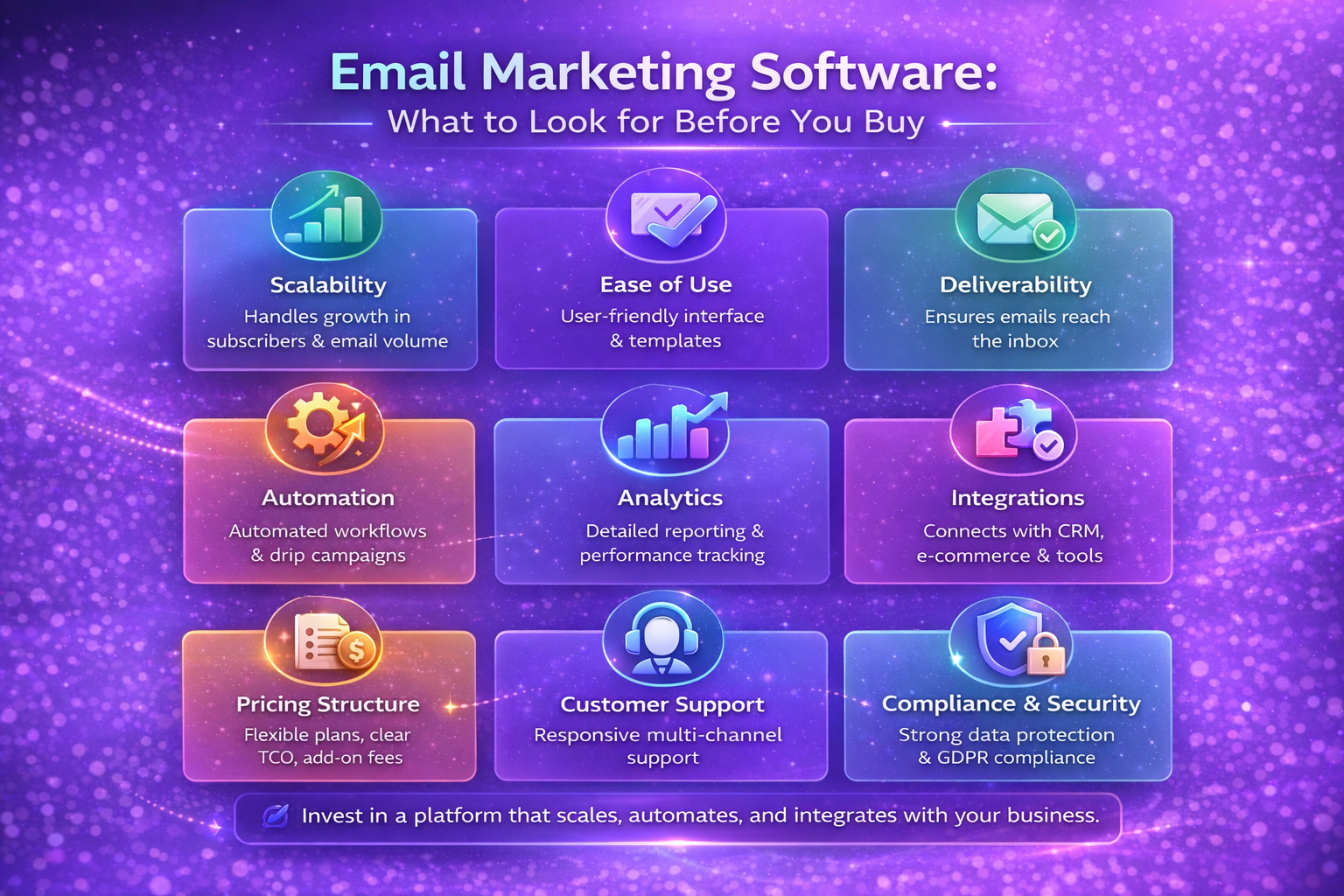
Email Marketing Software: What to Look for Before You Buy
Choosing email marketing software is not a beginner-level decision anymore. The market is saturated. Every platform claims better deliverability, smarter automation, and higher ROI.
After years working with SaaS affiliate programs through Impact and PartnerStack networks, and promoting multiple email platforms across different niches, I can tell you one thing clearly:
Most businesses choose the wrong email marketing software for the wrong reasons.
They focus on:
- Cheap pricing
- Fancy templates
- Brand popularity
- “Top 10” lists
But long-term performance depends on infrastructure, automation depth, scalability, and monetization alignment.
This guide will walk you through exactly what to look for before you buy email marketing software — from a real performance and affiliate ROI perspective.
Why Choosing the Right Email Marketing Software Matters
Email is still the highest ROI digital marketing channel.
But not all email marketing tools are built for:
- Scalability
- Advanced segmentation
- Revenue tracking
- Automation depth
- Affiliate compliance
If you choose wrong, you’ll face:
- Poor deliverability
- Automation limits
- Expensive migrations
- Subscriber caps
- Feature paywalls
Switching email providers later is painful. It disrupts funnels, sequences, and reporting continuity.
So choose correctly the first time.
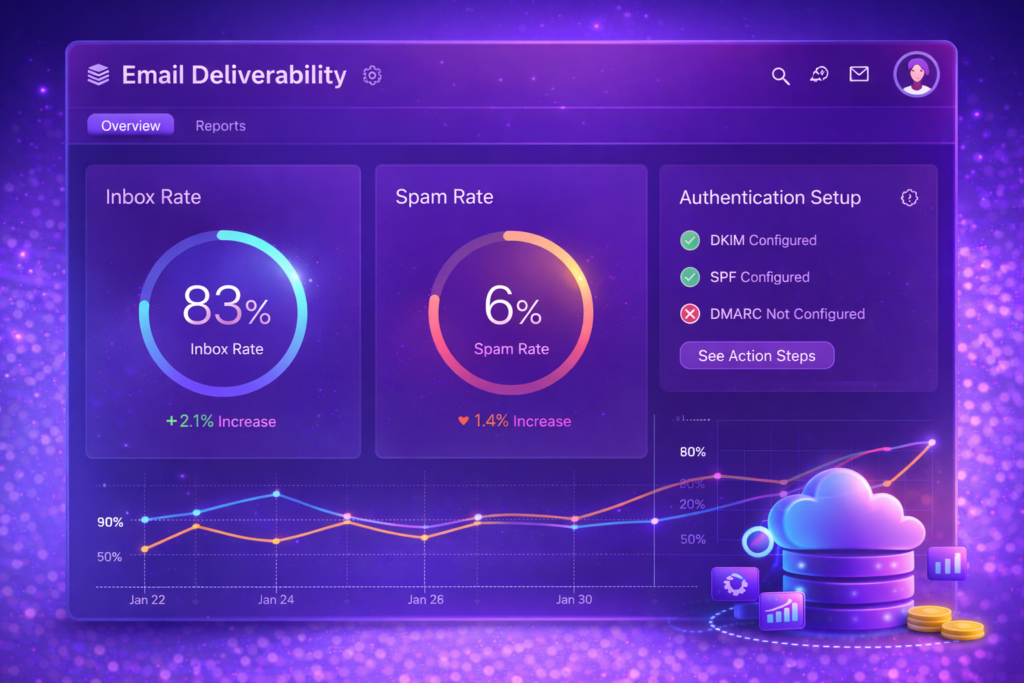
1. Deliverability Infrastructure (Non-Negotiable)
Before templates, before pricing — check deliverability.
Look for:
- Dedicated IP options
- Domain authentication (SPF, DKIM, DMARC)
- Deliverability reporting
- Spam testing tools
- Reputation monitoring
- Warm-up guidance
Many platforms advertise 99% deliverability. That’s marketing.
What matters:
- Inbox placement rate
- Spam filtering handling
- IP pool quality
From affiliate experience, poor deliverability destroys EPC (earnings per click). Even small drops in inbox rates impact revenue significantly.
If a platform doesn’t transparently discuss deliverability infrastructure, that’s a red flags
2. Automation Capabilities (Beyond Basic Drip Campaigns)
Modern email marketing software must support:
- Multi-step workflows
- Conditional logic
- Behavioral triggers
- Tag-based automation
- Event tracking
- Sales funnel automation
- Lead scoring
Basic autoresponders are outdated.
If you’re monetizing through affiliate funnels, product launches, SaaS referrals, or info products, you need advanced automation.
Look for:
- Visual workflow builder
- Split paths (if/then logic)
- Dynamic segmentation
- Integration with CRM
- API-triggered workflows
In affiliate campaigns, behavioral segmentation increases revenue dramatically. Sending the same email to your entire list is inefficient.
Automation depth equals revenue scalability.
3. Segmentation & Personalization
Mass emailing is dead.
You need:
- Tag-based segmentation
- Dynamic content blocks
- Behavioral filters
- Purchase history tracking
- Geo-targeting
- Engagement scoring
Advanced segmentation allows:
- Promoting high-ticket SaaS only to engaged subscribers
- Sending re-engagement campaigns automatically
- Removing cold subscribers efficiently
- Improving open rates
In my experience, proper segmentation can increase affiliate conversions by 20–40% without increasing traffic.
That’s pure leverage.
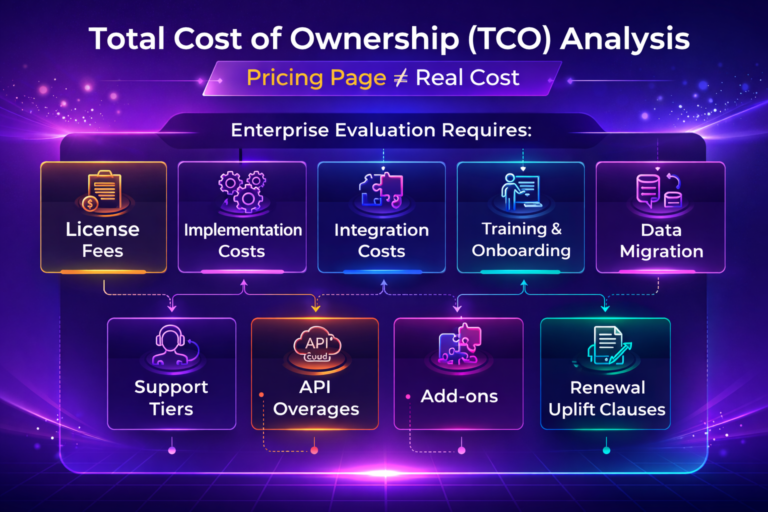
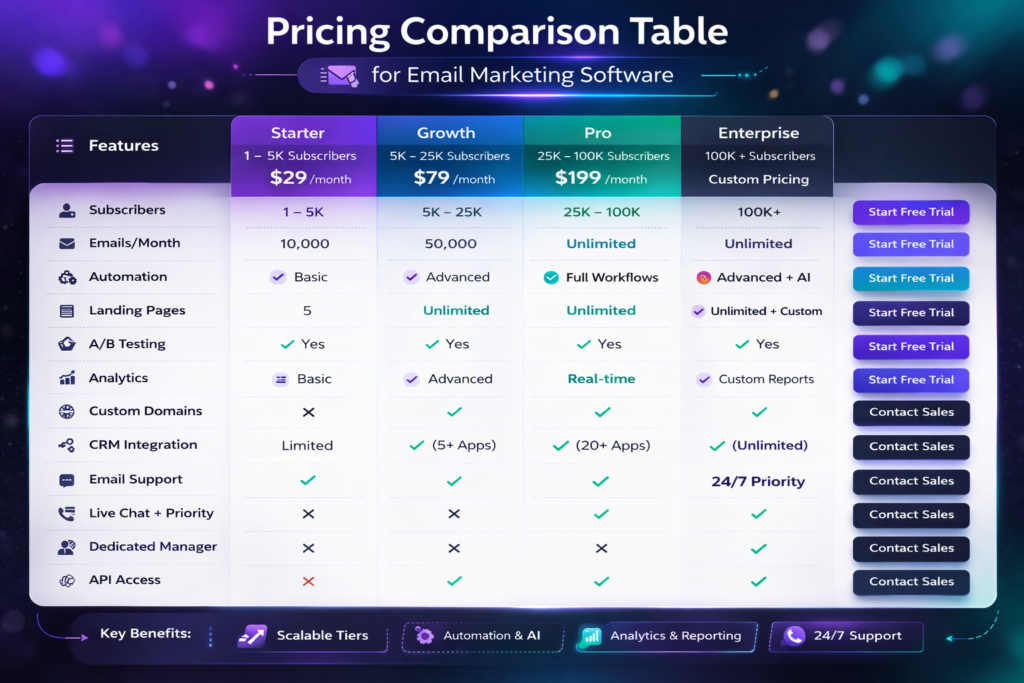
4. Pricing Structure & Hidden Costs
This is where many buyers fail.
Email marketing software pricing varies by:
- Subscriber count
- Email volume
- Automation features
- Contacts vs active subscribers
- API usage
- Add-ons
Important questions:
- Does pricing increase sharply at certain tiers?
- Are automation features locked behind higher plans?
- Are there overage penalties?
- Are inactive subscribers counted?
Some platforms charge for unsubscribed or inactive contacts. That inflates costs.
Always model 12–24 month growth.
Cheap now ≠ cheap later.
5. Integration Ecosystem
Email marketing software should integrate seamlessly with:
- WordPress
- WooCommerce
- Shopify
- Funnel builders
- Webinar tools
- Payment processors
- CRM platforms
- Affiliate tracking tools
As someone working in affiliate ecosystems like Impact and PartnerStack, integration reliability is critical.
If tracking events fail:
- Attribution breaks
- Commissions are lost
- Data becomes unreliable
Always verify:
- Native integrations
- Webhook support
- Zapier compatibility
- API documentation
Closed ecosystems create long-term dependency risks.
6. Affiliate & Compliance Support
If you plan to promote affiliate offers, check:
- Affiliate marketing policy
- Allowed niches
- Spam compliance enforcement
- Suppression list handling
- GDPR & CAN-SPAM compliance tools
Some email platforms restrict affiliate-heavy content. That becomes a problem later.
Also check:
- Easy unsubscribe system
- Double opt-in capability
- Consent logging
- Bounce management
Compliance protects your sending reputation.
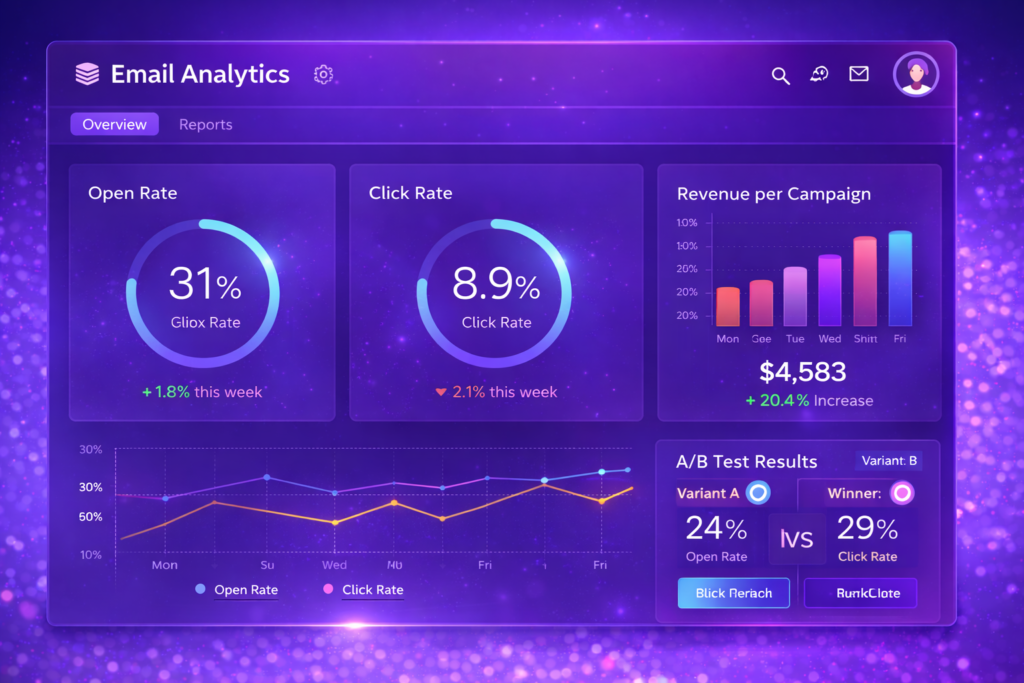
7. Analytics & Revenue Tracking
Email marketing without revenue tracking is guesswork.
You need:
- Revenue per subscriber
- Revenue per email
- Click heatmaps
- Conversion tracking
- A/B testing
- Attribution reporting
Affiliate campaigns require tracking:
- Which sequence generated sale
- Which segment converts best
- Time-to-conversion
Advanced analytics transforms email from communication tool to profit engine.
8. User Experience & Workflow Efficiency
If the interface is complex, your team wastes time.
Evaluate:
- Dashboard clarity
- Workflow builder usability
- Reporting simplicity
- Campaign duplication ease
- Template editor flexibility
Complex tools slow execution.
Efficiency matters when managing multiple affiliate campaigns or client lists.
9. Scalability & Long-Term Growth
Your business will grow.
Check:
- Maximum subscriber capacity
- Performance under large volumes
- Enterprise plans
- Dedicated support
- Custom IP options
Switching email software at 100,000 subscribers is operationally painful.
Choose software that supports your 3-year vision.
10. Support & Onboarding
Look for:
- Live chat support
- Dedicated account managers (for higher tiers)
- Knowledge base quality
- Training resources
- Migration support
Email migration can break automations and damage data integrity.
Good support reduces risk.
Common Mistakes When Buying Email Marketing Software
- Choosing based only on price
- Ignoring automation limits
- Not testing deliverability
- Overpaying for unused features
- Underestimating scaling costs
- Skipping compliance review
Most mistakes are avoidable with structured evaluation.
Email Marketing Software Buying Checklist
Before purchasing, confirm:
☑ Deliverability infrastructure verified
☑ Automation builder tested
☑ Segmentation capabilities reviewed
☑ Pricing modeled for growth
☑ Integration compatibility confirmed
☑ Affiliate policy checked
☑ Analytics features tested
☑ Support responsiveness evaluated
☑ Scalability assessed
Final Thoughts
Email marketing software is not just a marketing tool.
It is:
- A revenue system
- A data asset
- A customer relationship engine
- An affiliate monetization channel
Choosing correctly impacts:
- Conversion rates
- Customer lifetime value
- Deliverability reputation
- Profit margins
Take time to evaluate deeply before committing.
The right email marketing software becomes an asset.
The wrong one becomes a recurring cost.
Frequently Asked Questions (FAQ)
What is the most important feature in email marketing software?
Deliverability and automation depth are the most critical features. Without inbox placement and behavioral workflows, performance suffers.
How much should I pay for email marketing software?
Pricing depends on subscriber size and feature needs. Model long-term costs instead of focusing on entry-level pricing.
Is free email marketing software good enough?
Free plans work for testing. But serious businesses need advanced automation, segmentation, and deliverability controls.
Can I use email marketing software for affiliate marketing?
Yes, but verify affiliate policies and compliance features before choosing a platform.
How hard is it to switch email marketing software later?
Migration is complex and can disrupt sequences and deliverability. Choose carefully at the start.