
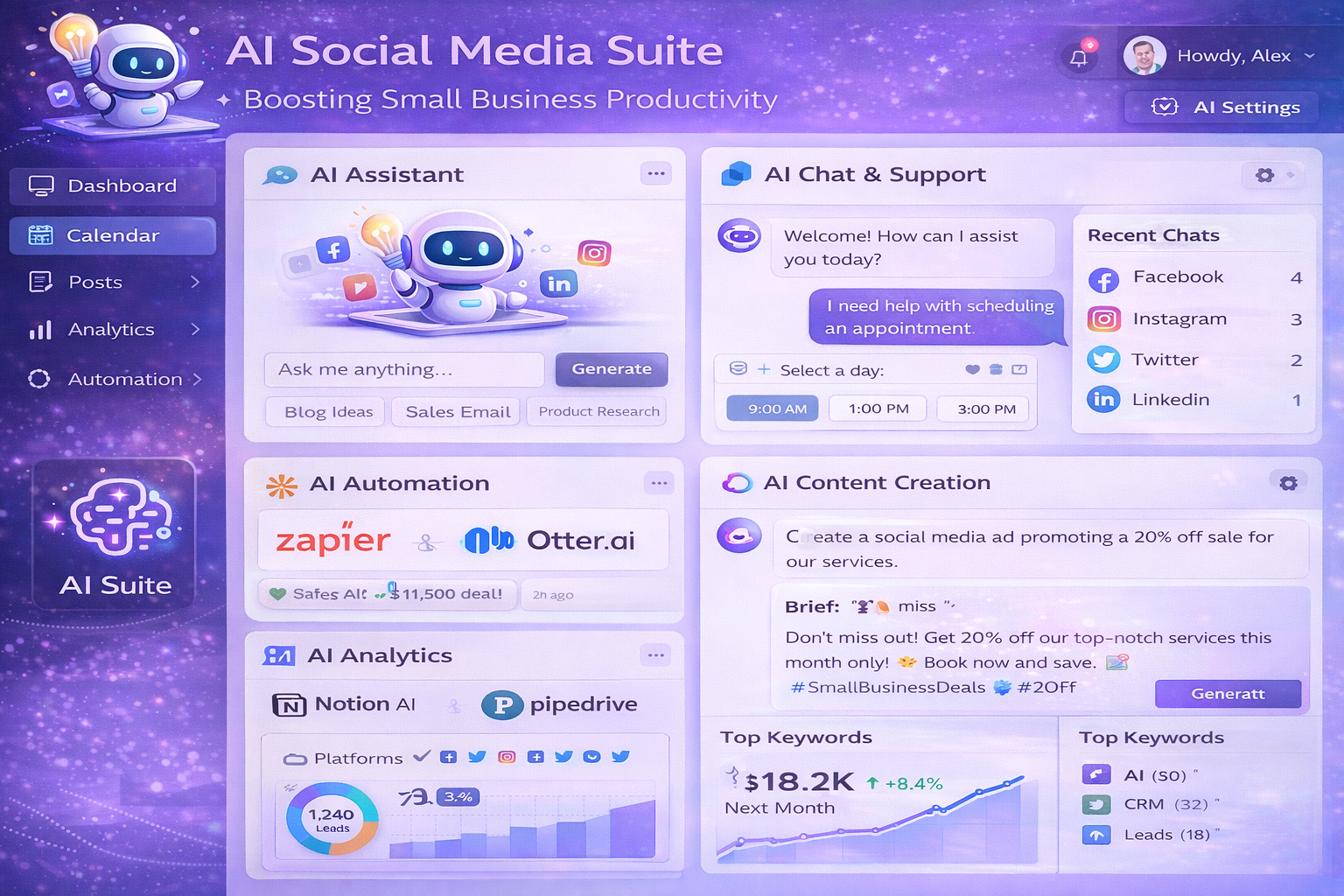
Best AI Tools for Small Business Productivity
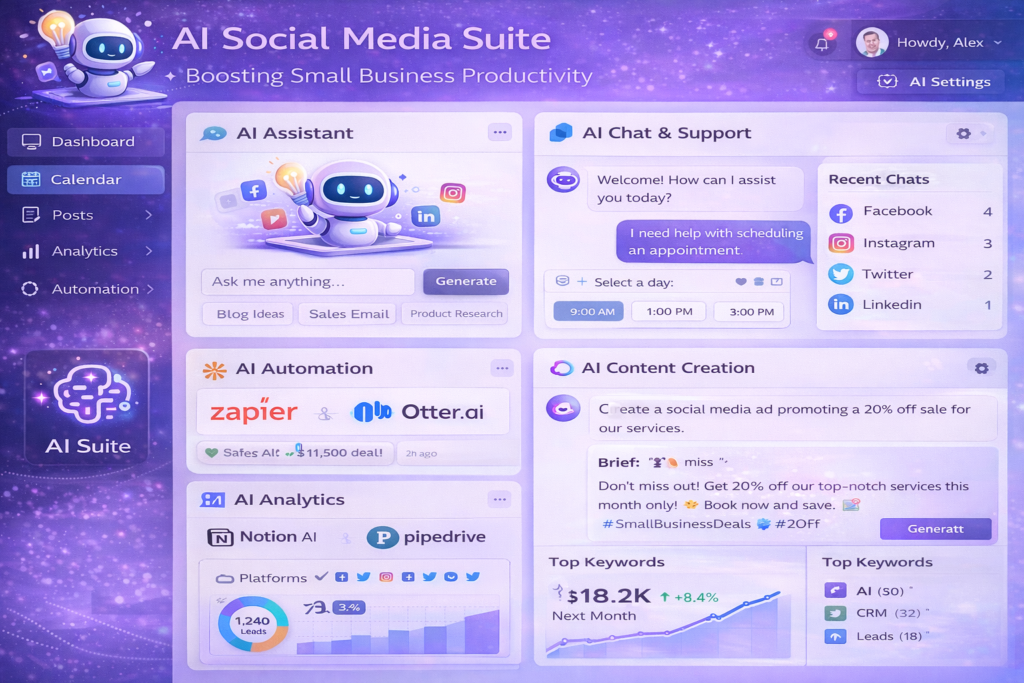
Small businesses don’t lose to large competitors because of talent.
They lose because of limited time, limited resources, and limited systems.
AI has changed that equation.
After years promoting SaaS platforms through affiliate ecosystems like Impact and PartnerStack — and implementing AI tools inside real small business operations — I’ve seen one clear pattern:
The right AI tool increases productivity immediately.
The wrong one adds complexity and cost.
This guide breaks down the best AI tools for small business productivity, categorized by real operational impact — not hype.
We’ll focus on:
- Automation depth
- Integration flexibility
- Scalability
- ROI potential
- Practical implementation
This article is written specifically for WordPress blog publishing, with structured headings, image placements, and SEO optimization for ranking.
Why AI Tools Are Critical for Small Business Productivity
Small businesses struggle with:
- Manual administrative tasks
- Slow lead response
- Content creation delays
- Disorganized project management
- Customer support overload
- Poor workflow integration
AI tools solve these by:
- Automating repetitive processes
- Enhancing decision-making
- Improving customer experience
- Reducing operational costs
- Increasing output per employee
Productivity is leverage.
The goal is not to replace employees — it’s to multiply their impact.
1. AI Writing & Content Creation Tools
Content marketing consumes massive time.
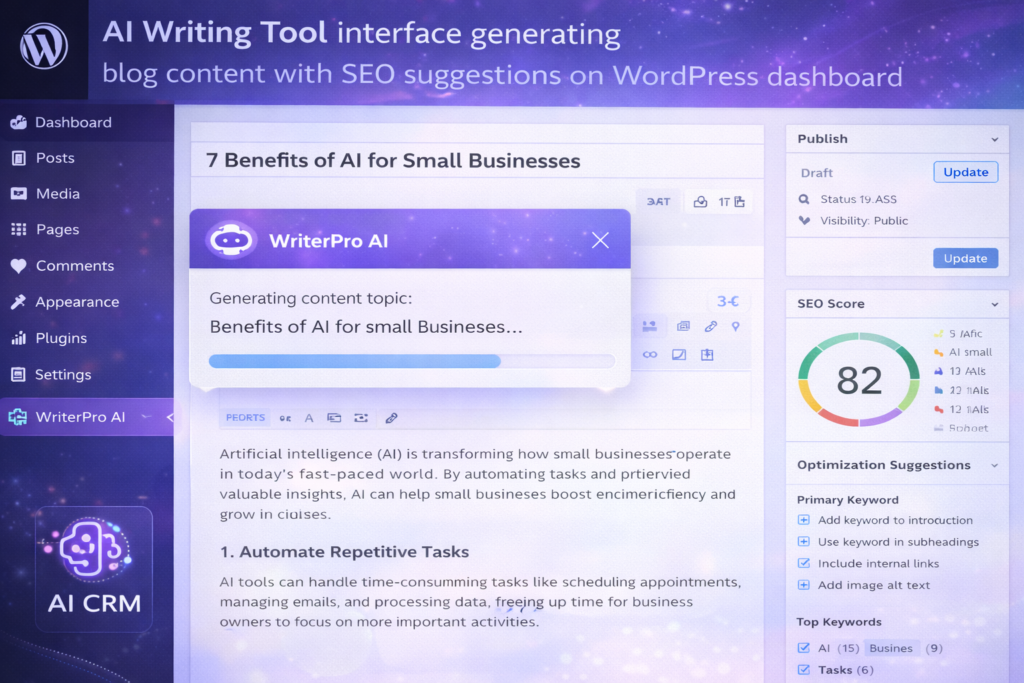
AI writing tools now assist with:
- Blog drafts
- Email sequences
- Social media posts
- Sales copy
- Product descriptions
- Ad creatives
For small businesses running WordPress sites, AI writing tools dramatically reduce content production time.
What to Look For:
- Long-form content capability
- SEO optimization support
- Tone customization
- Plagiarism checking
- Integration with CMS
From affiliate campaign data, content-driven funnels convert significantly better when publishing frequency increases — and AI helps maintain that cadence.
2. AI Email Marketing Automation Tools
Email remains one of the highest ROI channels for small businesses.
Modern AI email tools provide:
- Smart send-time optimization
- Behavior-triggered automation
- Predictive segmentation
- Automated follow-ups
- Personalized subject lines
In affiliate-driven SaaS campaigns, segmented automation outperforms broadcast emails consistently.
Productivity Benefits:
- Reduced manual follow-up
- Higher open rates
- Increased sales conversions
- Automated onboarding sequences
Choose tools that integrate with your CRM and WordPress site.
3. AI CRM & Sales Automation Tools
Sales pipelines often break due to poor follow-up.
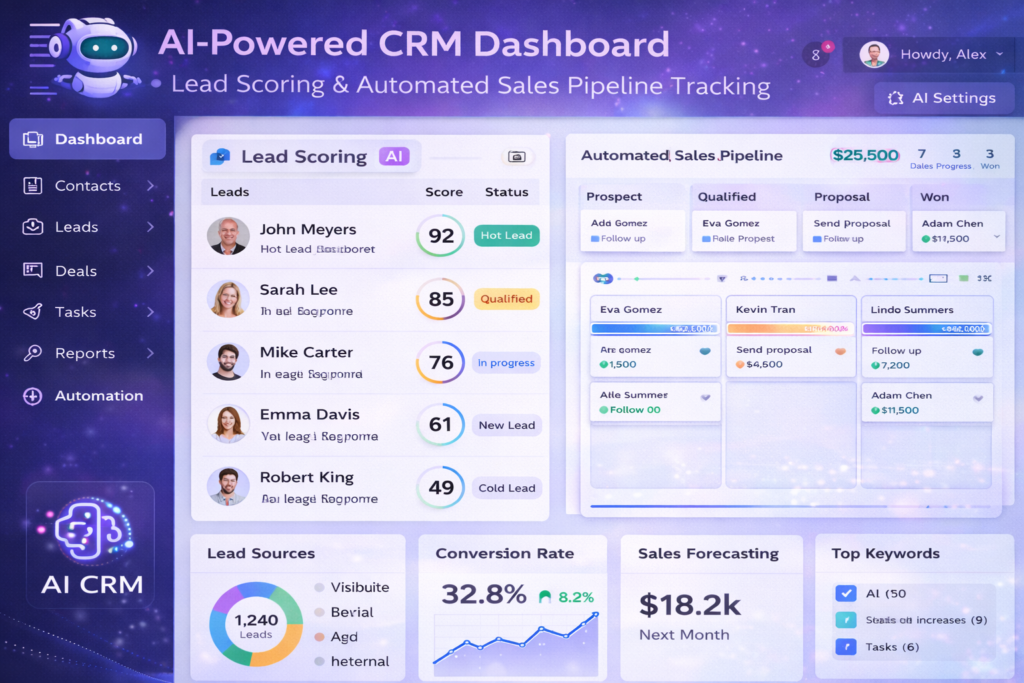
AI-powered CRM tools offer:
- Automated lead scoring
- Smart pipeline tracking
- Predictive deal forecasting
- Task automation
- Intelligent reminders
Small businesses often lose deals due to delayed response.
AI reduces that friction.
From experience inside PartnerStack-backed SaaS funnels, improved lead scoring alone increases close rates noticeably.
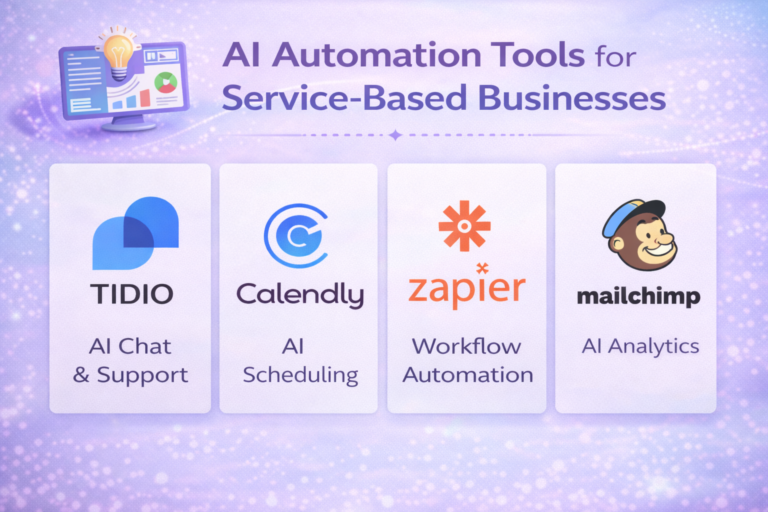
4. AI Scheduling & Calendar Tools
Manual scheduling wastes hours weekly.
AI scheduling tools:
- Sync multiple calendars
- Detect availability automatically
- Send reminders
- Reduce no-shows
- Integrate with CRM
For consultants and agencies, this is low-effort, high-impact automation.
Time saved per week compounds over months.
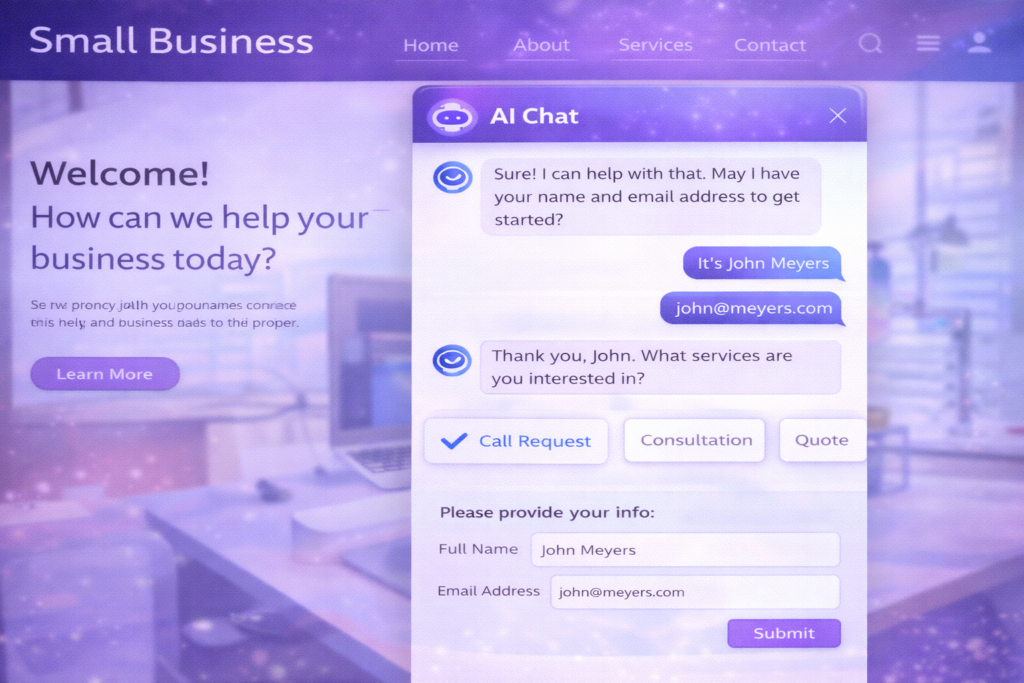
5. AI Customer Support Chatbots
Small businesses cannot offer 24/7 live support.
AI chatbots can:
- Answer FAQs
- Qualify leads
- Book appointments
- Route tickets
- Collect contact details
The key is proper setup.
Bad chatbots damage user experience.
Well-configured ones increase lead capture significantly.
6. AI Project Management & Workflow Tools
Disorganization kills productivity.
AI-powered project management tools help with:
- Automated task assignment
- Smart prioritization
- Deadline prediction
- Workflow automation
- Resource allocation
Instead of manually updating boards, automation triggers handle transitions.
When implementing inside agency workflows, automation reduces administrative overhead dramatically.
7. AI Accounting & Financial Tools
Bookkeeping consumes time and creates errors.
AI accounting tools provide:
- Automated expense categorization
- Invoice generation
- Cash flow forecasting
- Tax estimation
- Payment reminders
Financial clarity improves decision-making.
Small business productivity improves when financial processes run automatically.
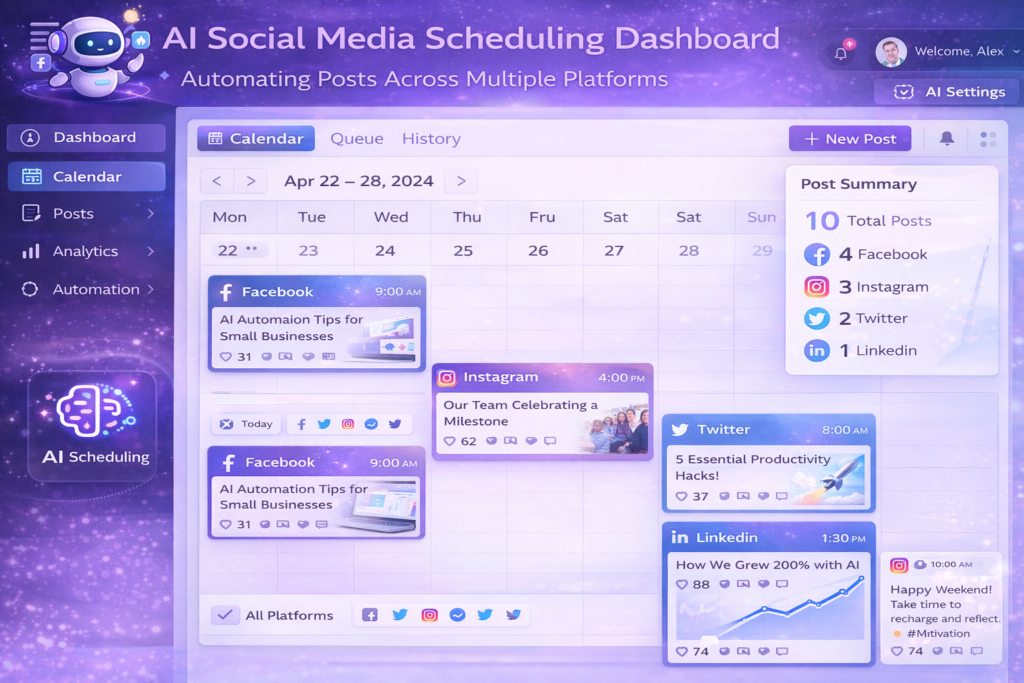
8. AI Social Media & Marketing Automation
Consistency is difficult for small teams.
AI marketing tools help:
- Schedule posts
- Generate captions
- Analyze engagement
- Repurpose content
- Optimize posting times
Marketing productivity improves without hiring a full-time social media manager.
9. AI Data & Analytics Tools
Small businesses often lack data clarity.
AI analytics tools:
- Identify growth patterns
- Predict customer churn
- Track campaign ROI
- Provide actionable insights
Data-driven decisions improve efficiency.
Blind decision-making wastes time and budget.
How to Choose the Best AI Tools for Small Business Productivity
When evaluating AI tools, consider:
1. Integration Ecosystem
Does it integrate with:
- WordPress
- CRM
- Email marketing
- Payment systems
- Project management tools
Disconnected tools create friction.
2. Scalability
Will pricing scale sustainably as your team grows?
Per-user pricing can become expensive quickly.
3. Ease of Use
Complex software reduces adoption.
Choose tools with intuitive interfaces and training resources.
4. Automation Depth
Does it allow:
- Conditional workflows
- Trigger-based actions
- Multi-step automation
Shallow automation limits productivity gains.
Common Mistakes Small Businesses Make
- Buying too many AI tools
- Overlapping functionality
- Ignoring integration testing
- Automating broken processes
- Focusing on hype over ROI
Start with one high-impact automation area.
Then expand gradually.
ROI of AI Productivity Tools
AI tools improve:
- Revenue per employee
- Lead response speed
- Campaign output
- Client onboarding efficiency
- Operational margin
From affiliate ecosystem performance metrics, tools that integrate deeply and automate multiple workflows consistently retain customers longer — because productivity gains are tangible.
Best AI Tools Implementation Checklist
Before adopting:
☑ Identified repetitive tasks
☑ Mapped workflow dependencies
☑ Verified integration compatibility
☑ Modeled pricing growth
☑ Tested with trial
☑ Trained team
☑ Measured ROI after 30–60 days
Implementation discipline determines results.
Final Thoughts
The best AI tools for small business productivity are not the most advertised.
They are the ones that:
- Integrate smoothly
- Automate repetitive work
- Scale with growth
- Improve decision-making
- Increase profit per hour worked
Small businesses that leverage AI properly operate like larger companies — without the payroll burden.
Productivity is competitive advantage.
Choose strategically.
Frequently Asked Questions (FAQ)
What are the best AI tools for small business productivity?
The best tools depend on your workflow, but AI CRM, email automation, scheduling, and content tools provide immediate productivity gains.
Are AI tools expensive for small businesses?
Many tools offer scalable pricing. Model long-term growth before committing.
Can AI tools replace employees?
AI reduces repetitive tasks but still requires human oversight and strategy.
How quickly can small businesses see ROI from AI tools?
Most see measurable productivity improvements within 30–60 days if implemented correctly.
Should small businesses use multiple AI tools?
Yes, but only after ensuring integrations are seamless and workflows are optimized.





2 Comments
Comments are closed.