

Top Free AI Writing Tools for Small Business in 2026 (Best for SEO & Content Growth)
Introduction
Creating high-quality content consistently is one of the biggest challenges for small businesses. Hiring professional writers is expensive, and managing content in-house takes time that most entrepreneurs simply don’t have.

That’s where AI writing tools come in.
In 2026, many free AI tools can help small businesses create blog posts, social media content, product descriptions, and marketing emails—without spending a dollar.
For virtual meetings and client calls, see our comparison of Zoom vs Google Meet for teams in 2026.
In this guide, you’ll discover the best free AI writing tools for small businesses, how to use them for SEO, and how to avoid common mistakes that hurt rankings.
Why Small Businesses Need AI Writing Tools
Small businesses compete with large companies that have dedicated marketing teams and big budgets. Without smart tools, it’s almost impossible to keep up.
Here’s why AI writing tools are essential in 2026:
1. Save Time
AI tools generate drafts in seconds. What used to take hours now takes minutes.
2. Reduce Costs
Most small businesses cannot afford full-time writers. Free AI tools eliminate this expense.
3. Improve SEO
Many AI platforms help structure content using headings, keywords, and readability rules that Google prefers.
4. Maintain Consistency
Publishing content regularly is critical for rankings. AI helps you stay consistent.
How We Tested These Free AI Writing Tools
To make this guide reliable, each tool was evaluated using the same criteria:
- Content quality and accuracy
- SEO optimization features
- Free plan limitations
- Ease of use
- Export and editing options
Only tools that are genuinely useful for small businesses were included.
No paid promotions. No fake reviews.
Best Free AI Writing Tools for Small Business in 2026
Below are the most reliable free AI writing tools available today.
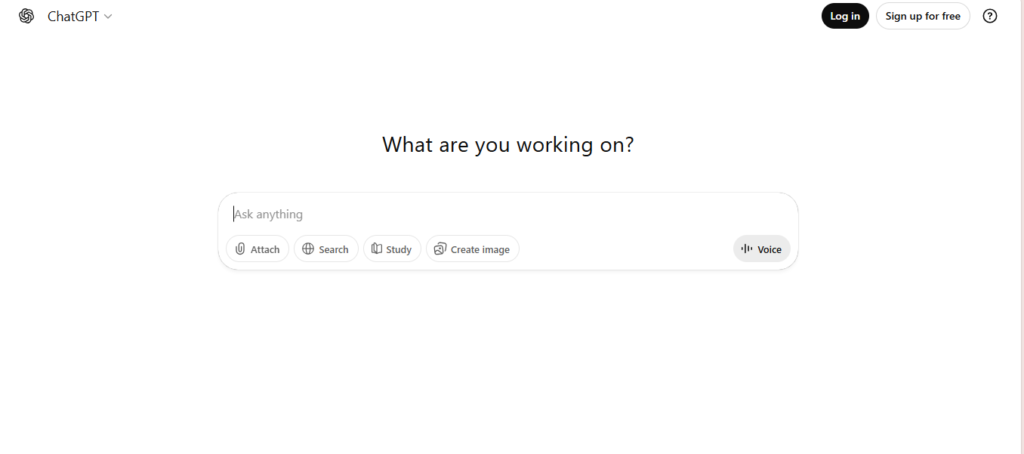
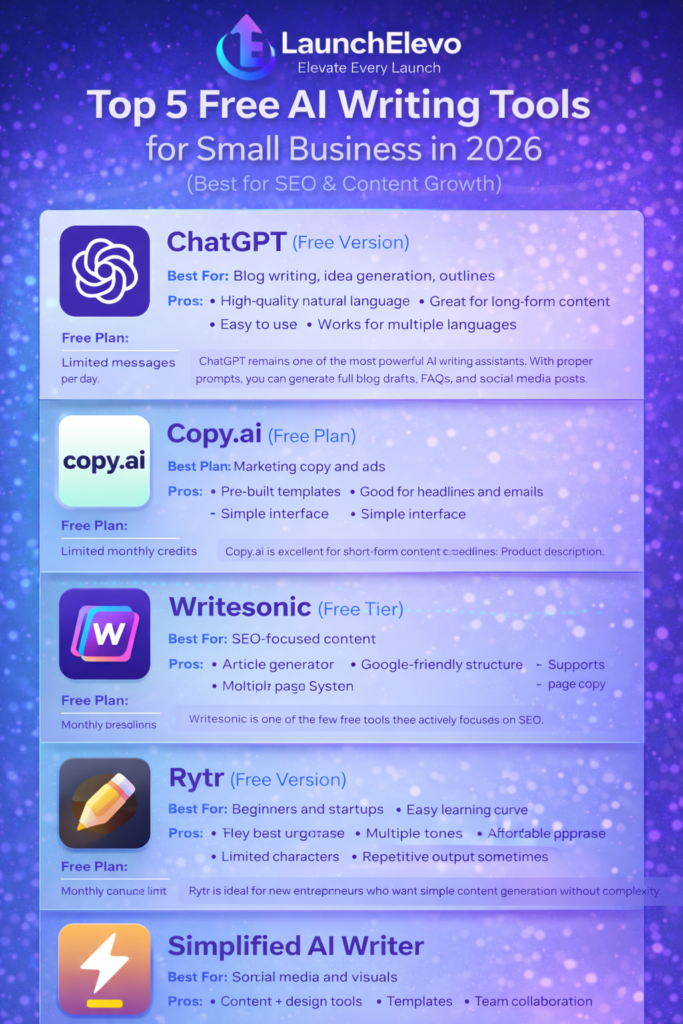
1. ChatGPT (Free Version)
Best For: Blog writing, idea generation, outlines
Pros:
- High-quality natural language
- Great for long-form content
- Easy to use
- Works for multiple languages
Cons:
- Daily limits
- Requires human editing
- No built-in SEO metrics
Free Plan: Limited messages per day
ChatGPT remains one of the most powerful AI writing assistants. With proper prompts, you can generate full blog drafts, FAQs, and social media posts.
Best used for: first drafts and brainstorming.
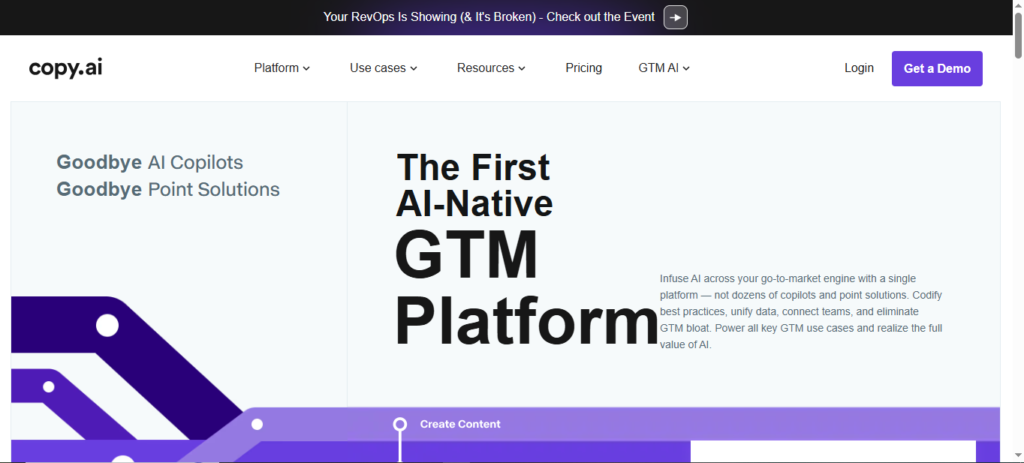
2. Copy.ai (Free Plan)
Best For: Marketing copy and ads
Pros:
- Pre-built templates
- Good for headlines and emails
- Simple interface
Cons:
- Word limits
- Not ideal for long articles
Free Plan: Limited monthly credits
Copy.ai is excellent for short-form content such as:
- Product descriptions
- Facebook ads
- Email campaigns
- Landing page copy
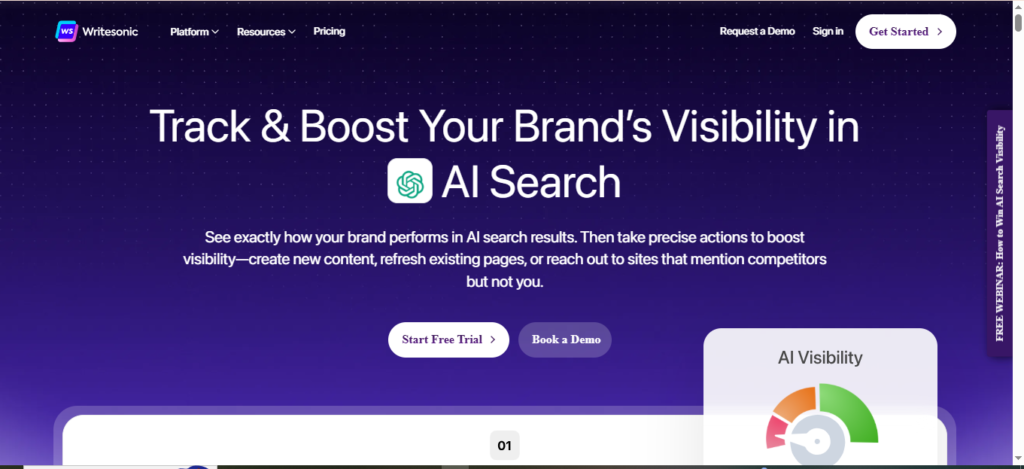
3. Writesonic (Free Tier)
Best For: SEO-focused content
Pros:
- Article generator
- Google-friendly structure
- Supports multiple languages
Cons:
- Credit-based system
- Limited free usage
Free Plan: Monthly credits
Writesonic is one of the few free tools that actively focuses on SEO. It helps structure articles with headings, keywords, and meta descriptions.
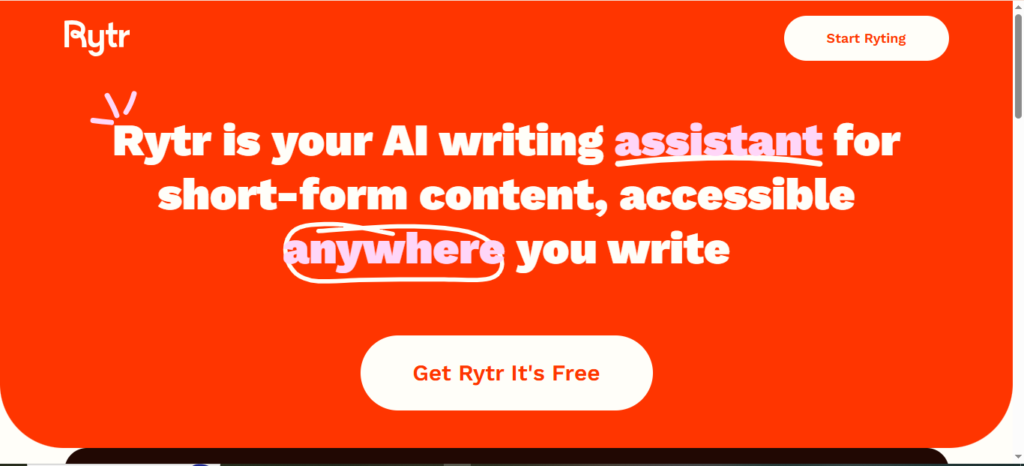
4. Rytr (Free Version)
Best For: Beginners and startups
Pros:
- Easy learning curve
- Multiple tones
- Affordable upgrade
Cons:
- Limited characters
- Repetitive output sometimes
Free Plan: Monthly character limit
Rytr is ideal for new entrepreneurs who want simple content generation without complexity.
5. Simplified AI Writer

Best For: Social media and visuals
Pros:
- Content + design tools
- Templates
- Team collaboration
Cons:
- Limited writing depth
- Best for short content
Free Plan: Basic features
Simplified is useful if you want to combine AI writing with graphic design and social media management.
If you are building sales funnels, read our in-depth ClickFunnels review for 2026.
How to Use AI Tools for SEO Content
Using AI alone will not rank your website. You must optimize manually.
Here’s the correct process:
Step 1: Do Keyword Research First
Before writing, find keywords using tools like:
- Google Keyword Planner
- Ubersuggest
- AnswerThePublic
Target long-tail keywords with low competition.
Example:
free AI writing tools for small business
Step 2: Create a Proper Outline
Structure your article like this:
- H1: Main title
- H2: Main sections
- H3: Subsections
Google prefers organized content.
Step 3: Generate Draft with AI
Use AI to create a rough draft.
Do NOT publish directly.
This is only your starting point.
Step 4: Edit Manually
Human editing is mandatory:
- Fix grammar
- Improve clarity
- Add examples
- Remove repetition
- Add your voice
Unedited AI content does not rank well.
Step 5: Optimize On-Page SEO
Add:
- Primary keyword in H1
- Secondary keywords in H2
- Internal links
- External authority links
- Image alt text
- Meta description
This increases ranking chances.
Step 6: Add Internal Links
Link to related articles on your website:
Example:
- Link to your Local SEO guide
- Link to Email Marketing tools
- Link to Landing Page tutorial
Internal linking builds authority.
Common Mistakes to Avoid
Many small businesses fail with AI content because of these mistakes.
1. Publishing Without Editing
Google can detect low-quality AI spam.
2. Keyword Stuffing
Repeating keywords unnaturally harms rankings.
3. Duplicate Content
Never copy AI text across multiple pages.
4. No Backlinks
Without links, even good content struggles.
5. Ignoring Updates
Articles must be updated yearly.
Frequently Asked Questions (FAQs)
Are free AI writing tools good for SEO?
Yes, if you edit and optimize manually. AI alone is not enough.
Can Google detect AI content?
Google focuses on quality, not creation method. Low-quality AI is penalized. High-quality edited content is rewarded.
Which AI tool is best for beginners?
Rytr and ChatGPT are easiest for beginners.
How often should I publish content?
At least 2–4 articles per month for steady growth.
Do I need paid tools later?
Eventually, yes. Paid plans improve speed and scale. But free tools are enough to start.
Backlink Strategy for This Article
To rank faster, build backlinks:
1. Tool Outreach
Email AI tool companies:
“I featured your tool in our article. Feel free to share it.”
2. Guest Posting
Write for tech and startup blogs.
3. Forums and Communities
Share in:
- Quora
- Facebook groups
4. Medium Repurposing
Rewrite 40% and link back.
You may also want to explore our guide on best website builders for small business owners in 2026.
Conclusion
Free AI writing tools give small businesses a real chance to compete in 2026.
When used correctly, they help you:
- Save time
- Reduce costs
- Improve SEO
- Increase traffic
But success requires effort.
AI is a tool. Not a shortcut.
Edit, optimize, build links, and update regularly.
Do that—and this article can become a long-term traffic source for your website.