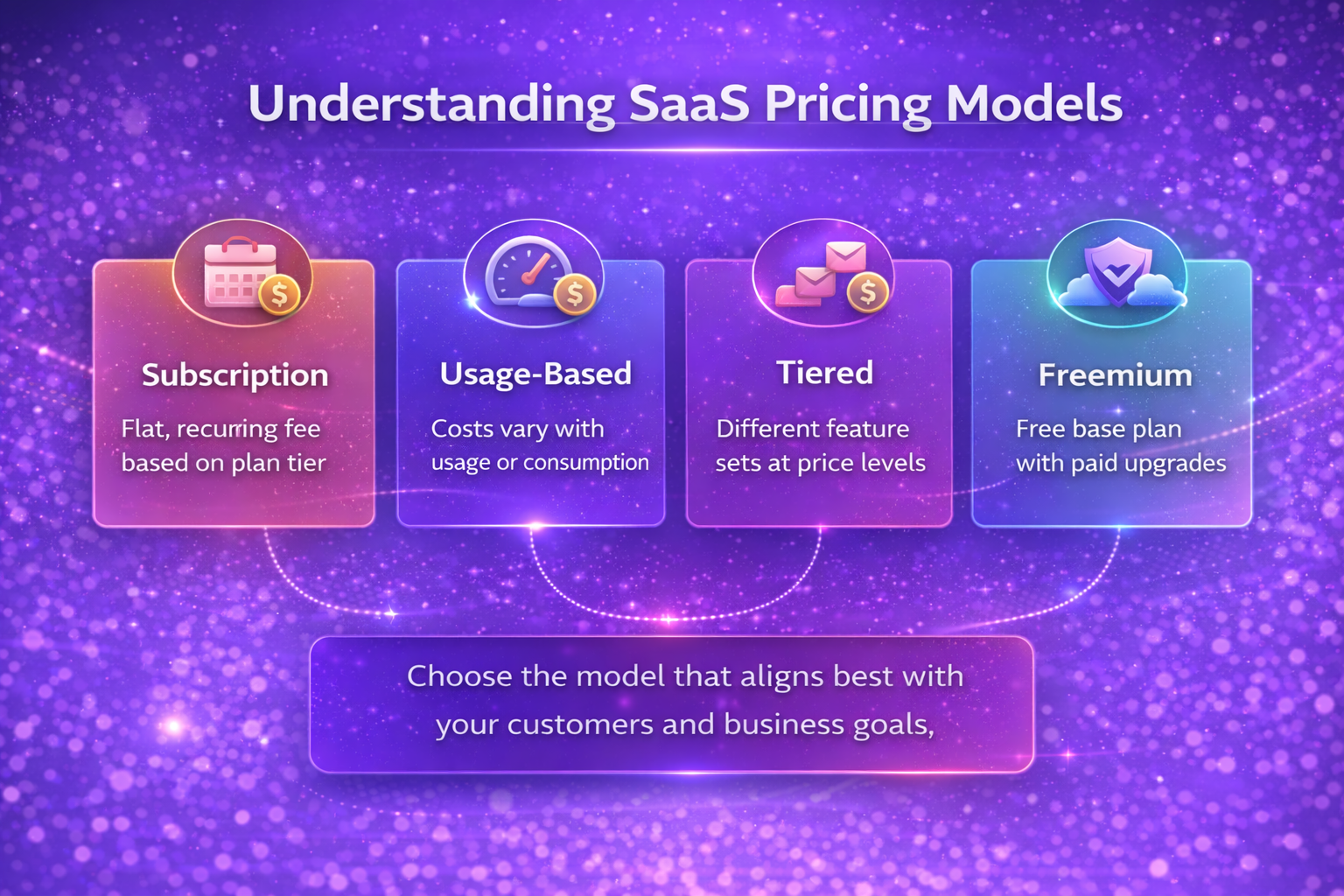
Understanding SaaS Pricing Models
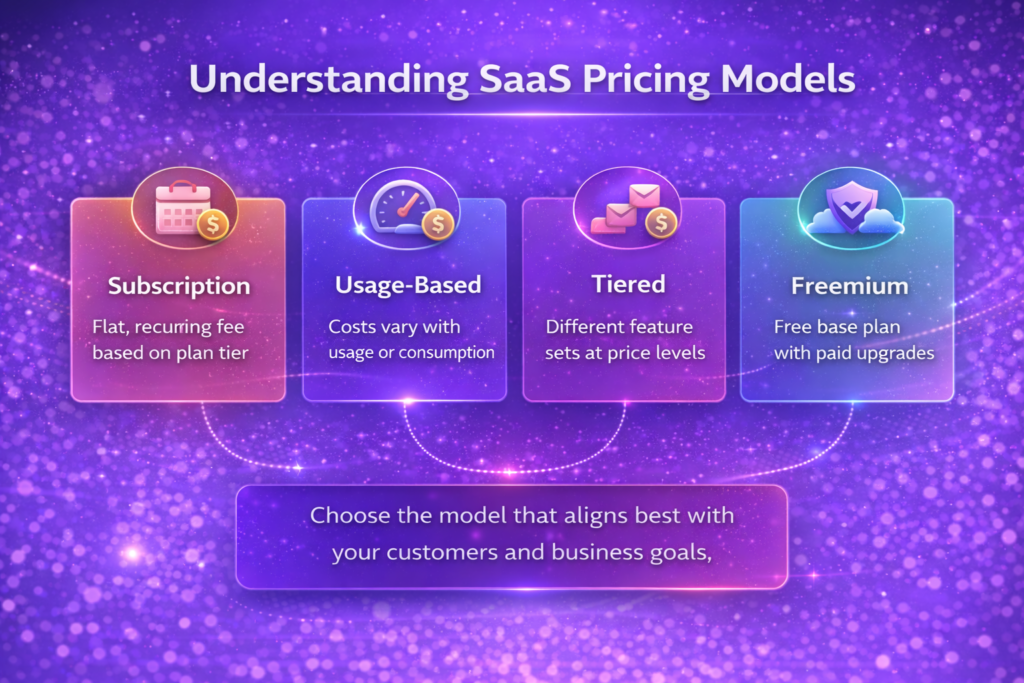
Understanding SaaS pricing models is no longer optional for founders, marketers, or affiliate publishers. It directly impacts profitability, scalability, and long-term operational leverage.
After years promoting SaaS tools through Impact and PartnerStack affiliate networks, one pattern is clear:
Most buyers misunderstand pricing structure — and most SaaS companies intentionally design pricing to maximize expansion revenue, not customer efficiency.
If you don’t understand SaaS pricing models deeply, you will either:
- Overpay as you scale
- Choose a misaligned cost structure
- Or promote tools that damage long-term audience trust
This guide breaks down SaaS pricing models from a strategic, revenue-focused, and growth-oriented perspective.
What Are SaaS Pricing Models?
SaaS pricing models define how software companies charge customers for access to their product.
Unlike traditional software (one-time purchase), SaaS operates on recurring revenue models. That means pricing design influences:
- Monthly cash flow
- Customer lifetime value (LTV)
- Churn rates
- Upgrade behavior
- Expansion revenue
Understanding SaaS pricing models helps you evaluate:
- Cost predictability
- Growth scalability
- Marginal cost impact
- ROI sustainability
Why Understanding SaaS Pricing Models Matters
From an affiliate marketing perspective, pricing models influence:
- Conversion rates
- Refund rates
- Upsell potential
- Commission stability
From a business owner’s perspective, they determine:
- Operational cost structure
- Budget planning
- Margin expansion
- Vendor dependency
Choosing a tool with the wrong pricing model creates friction as you scale.
The Core Types of SaaS Pricing Models
1. Flat-Rate Pricing
Flat-rate pricing offers one product with one set of features at one fixed monthly price.
Example structure:
- $99/month for unlimited users and features
Advantages:
- Predictable cost
- Simple positioning
- Easy budgeting
Disadvantages:
- Limited flexibility
- May overpay if features aren’t used
- Vendor must balance profitability carefully
From experience promoting SaaS via PartnerStack, flat-rate models convert well because simplicity increases purchase confidence. But they’re less common in high-growth SaaS categories.
4. Usage-Based Pricing (Pay-As-You-Go)
Customers pay based on usage metrics:
- API calls
- Data storage
- Transactions
- Emails sent
- Minutes used
Advantages:
- Fair for smaller users
- Aligns cost with activity
- Attractive entry point
Disadvantages:
- Cost unpredictability
- Budget volatility
- Difficult forecasting
From a revenue standpoint, usage-based pricing can scale dramatically. Some SaaS platforms generate massive expansion revenue this way.
But as a customer, you must understand usage thresholds and overage fees.
5. Freemium Model
Freemium offers a free plan with limited features and paid upgrades.
Advantages:
- Low entry barrier
- Fast user acquisition
- Product-led growth
Disadvantages:
- Free users rarely convert
- Limited support
- Heavy feature restrictions
Freemium works well in affiliate funnels when positioned correctly. But don’t assume free means scalable.
Free tiers often lack automation depth or reporting.
6. Value-Based Pricing
Value-based pricing ties cost to outcomes rather than usage.
Example:
- Percentage of revenue
- Commission-based pricing
- Performance pricing
Advantages:
- Strong alignment with results
- Attractive for revenue-generating tools
Disadvantages:
- Vendor-defined value metrics
- Potential cost spikes
Value-based SaaS pricing models are common in affiliate tracking, ad tech, and performance tools.
They require careful ROI modeling.
Comparing SaaS Pricing Models
Each SaaS pricing model impacts growth differently.
| Pricing Model | Predictability | Scalability | Risk Level |
|---|---|---|---|
| Flat-Rate | High | Moderate | Low |
| Per-User | High | Linear | Moderate |
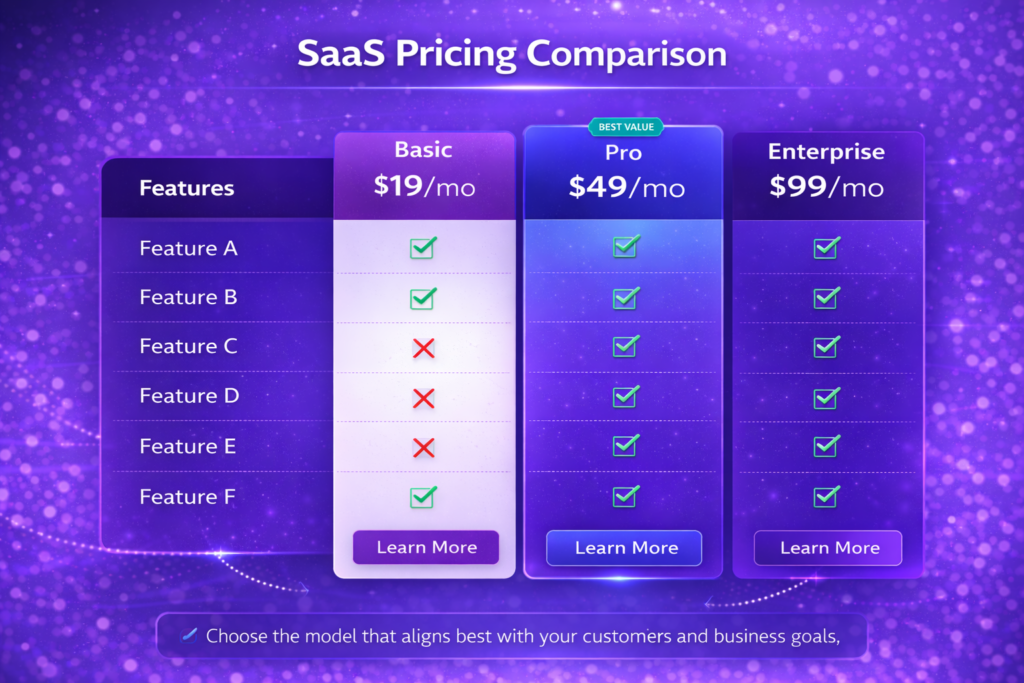
| Tiered | Moderate | Controlled | Moderate |
| Usage-Based | Low | High | High |
| Freemium | High (early) | Limited | Low |
| Value-Based | Variable | High | Moderate |
Understanding SaaS pricing models means evaluating both financial and operational scalability.
Hidden Costs in SaaS Pricing
Many buyers evaluate pricing incorrectly.
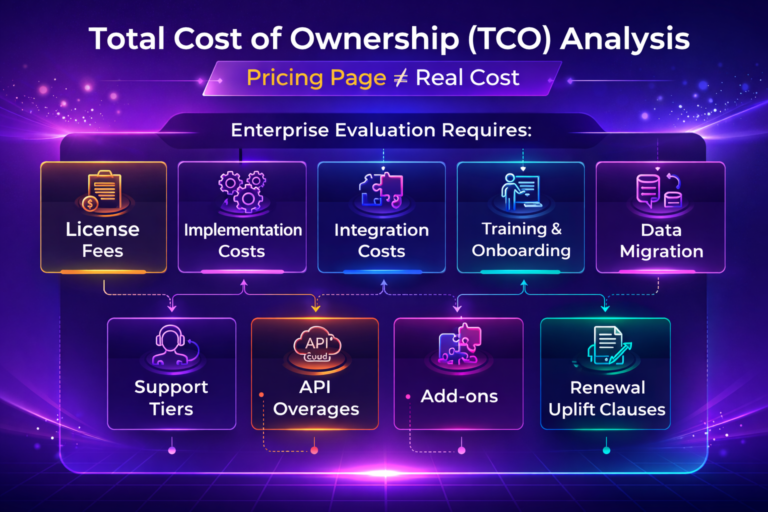
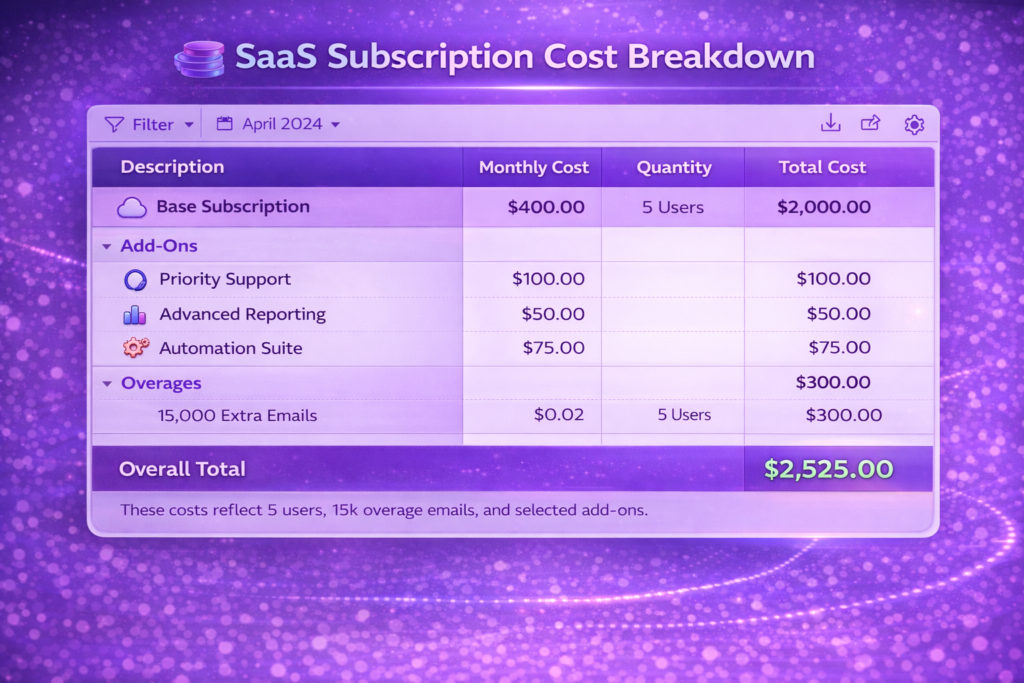
Hidden costs include:
- Add-on modules
- Premium support
- API overages
- Advanced automation limits
- Migration fees
- Annual contract lock-ins
- Renewal price increases
In affiliate SaaS ecosystems like Impact and PartnerStack, I’ve seen customers attracted by entry-level pricing only to churn when real costs emerge.
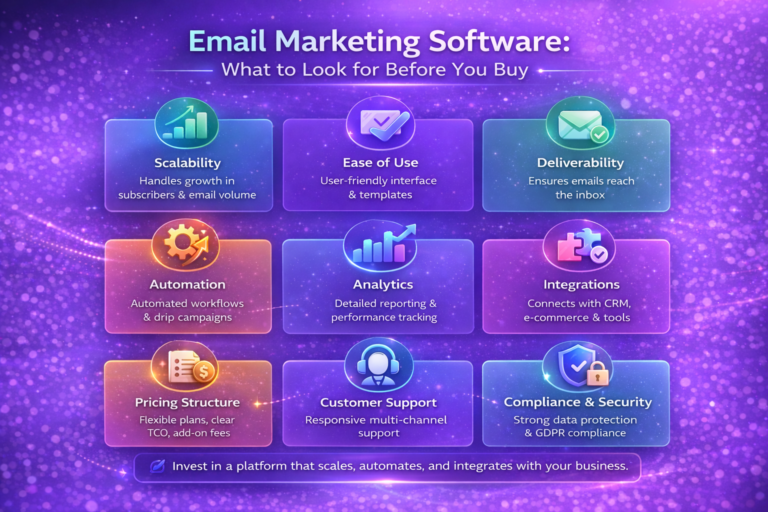
Always calculate Total Cost of Ownership (TCO)
How to Choose the Right SaaS Pricing Model
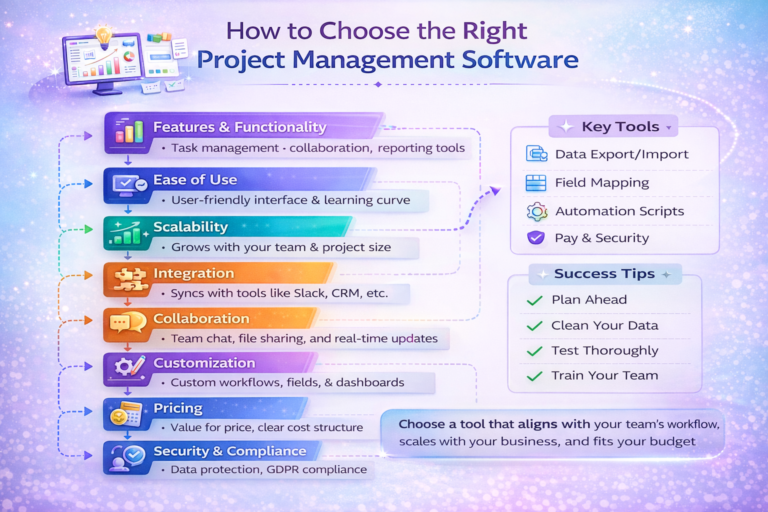
When evaluating a SaaS platform, ask:
- How will pricing scale if we double users?
- Does cost increase linearly or exponentially?
- Are critical features locked behind higher tiers?
- Are overage fees transparent?
- Is there flexibility in enterprise negotiation?
- What happens at renewal?
Align pricing with your business model.
For example:
- High-growth startup → Avoid per-user penalties
- Data-heavy SaaS → Carefully model usage-based pricing
- Small team → Tiered pricing may offer best balance
SaaS Pricing Models and Affiliate Marketing
From an affiliate marketer’s perspective, pricing model impacts:
- Conversion rates
- Recurring commission potential
- Upgrade-based commission increases
- Customer churn
Tiered and usage-based models often create higher lifetime commission value.
But long-term affiliate trust depends on recommending sustainable pricing structures — not just high commissions.
Understanding SaaS pricing models protects both your revenue and your audience credibility.
Enterprise SaaS Pricing Considerations
Larger businesses must also consider:
- Multi-year contract discounts
- Price increase caps
- Data portability
- Compliance costs
- Security upgrades
- Custom SLA agreements
Enterprise negotiation is possible in most SaaS deals — but only if you understand leverage points.
Common SaaS Pricing Mistakes
- Choosing lowest price without modeling growth
- Ignoring automation restrictions
- Underestimating usage-based volatility
- Locking into annual contracts prematurely
- Not negotiating enterprise tiers
Pricing mistakes compound over time.
SaaS Pricing Evaluation Checklist
Before committing:
☑ Identified pricing model
☑ Modeled 12–24 month cost growth
☑ Reviewed feature gating
☑ Calculated total cost of ownership
☑ Tested trial version
☑ Evaluated renewal terms
☑ Compared at least two alternatives
Understanding SaaS pricing models reduces future migration risk.
Final Thoughts
Understanding SaaS pricing models is not about memorizing definitions.
It’s about analyzing:
- Financial scalability
- Operational flexibility
- Risk exposure
- Long-term profitability
SaaS tools become core infrastructure. Choosing the wrong pricing structure creates structural inefficiencies.
Whether you’re a founder, marketer, or affiliate publisher, pricing literacy is a competitive advantage.
Make decisions strategically — not emotionally.
Frequently Asked Questions (FAQ)
What is the most common SaaS pricing model?
Tiered pricing and per-user pricing are the most common SaaS pricing models.
Which SaaS pricing model is best?
There is no universal best model. It depends on growth stage, usage patterns, and cost predictability needs.
Is usage-based pricing risky?
It can be risky due to cost unpredictability. Proper forecasting reduces this risk.
Why do SaaS companies use tiered pricing?
Tiered pricing increases average revenue per user and encourages upgrades.
Can SaaS pricing be negotiated?
Yes, especially at enterprise levels or with annual commitments.